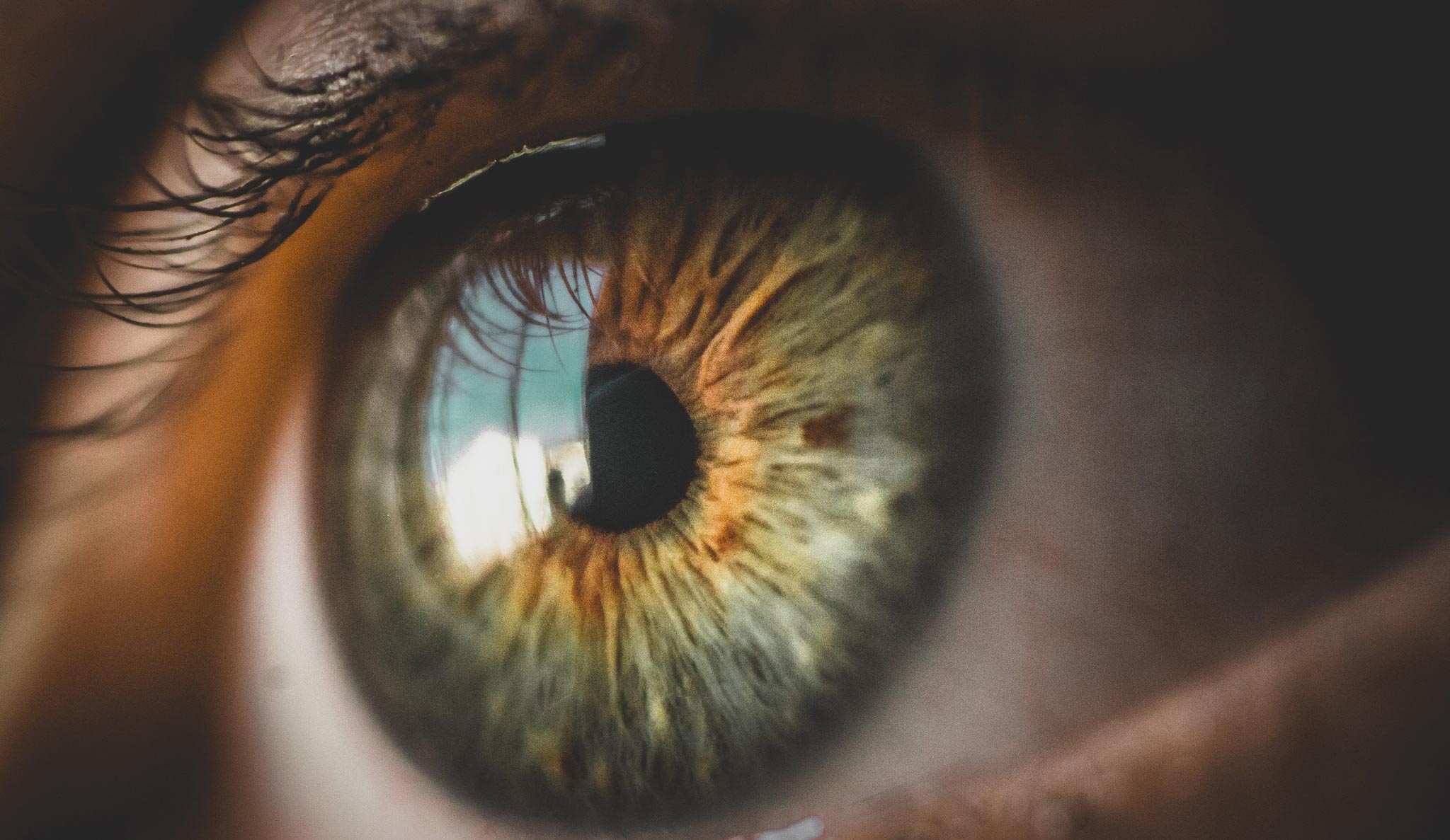
More than 20 years of experimental research on the biological impact of light radiation on the human retina.
The human visual system evolved over thousands of years under a basic principle: to interpret the light reflected by objects, never to stare directly at an intense, close source of emission. However, current technology has broken that biological rule by subjecting us to more than 8 hours a day of LED radiation, creating a scenario of overexposure for which we are not designed. This light, with peaks in blue and green wavelengths, causes oxidative stress and the progressive death of retinal cells, a vital tissue that, unlike skin, does not have the capacity for regeneration, turning the accumulated damage into an irreversible risk.
Paradoxically, devices comply with regulations because current safety standards are outdated; they were designed to assess brief and acute exposures, completely ignoring the chronic and repetitive use that defines our digital reality. The industry has prioritized technical efficiency over biological tolerance, creating a protection gap against which superficial measures are insufficient. The solution requires an effective physical barrier like Reticare, specifically designed to intercept high-energy radiation before it impacts living tissue.
01
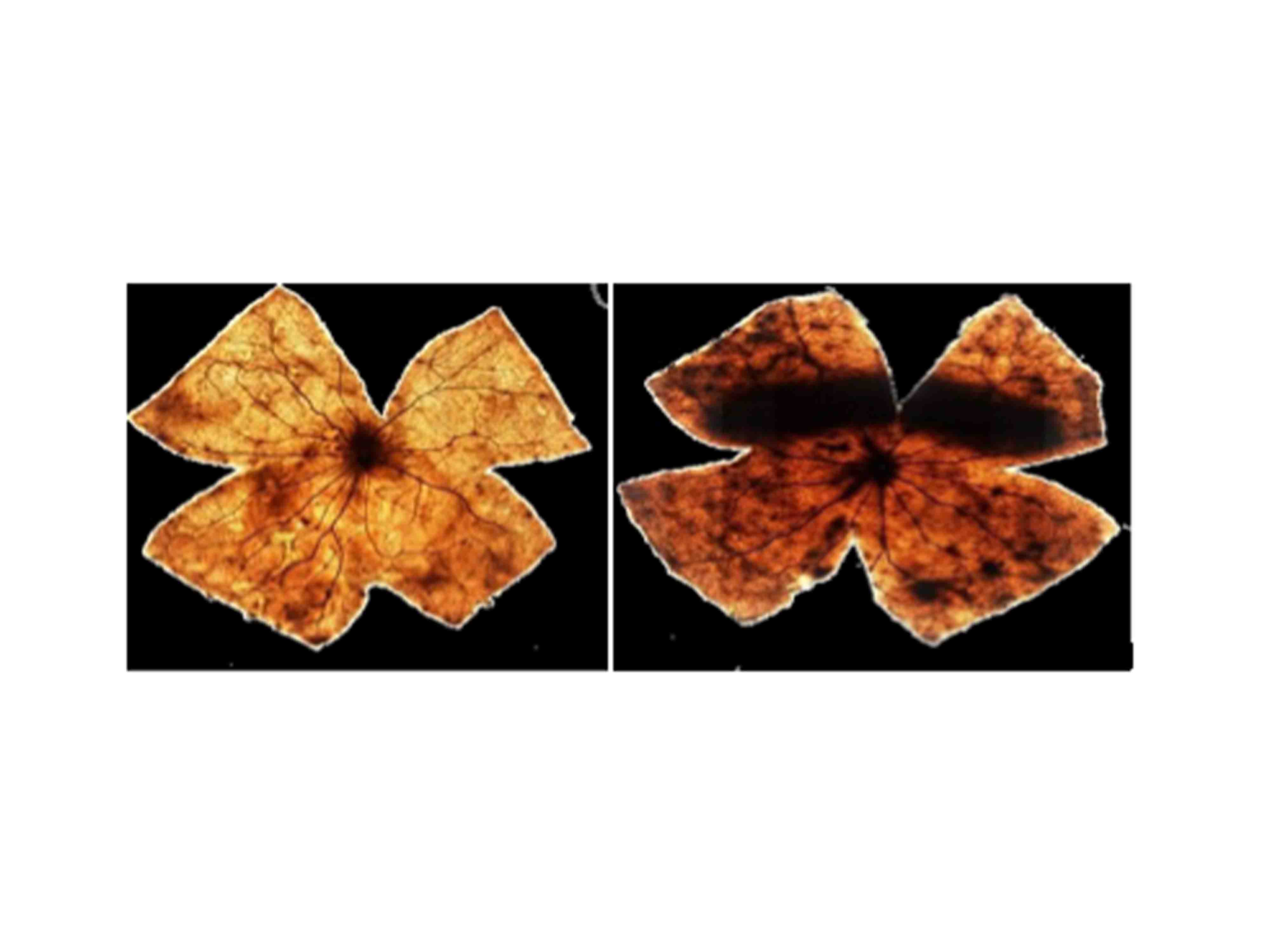
2002–2003 · First experimental studies on the retina
Animal model: rats
One-year cross-sectional study.
Prolonged exposure to white light, blue light, and white light free of blue, with and without selective filters.
Key finding:
Significant retinal damage is observed in the eyes exposed without protection to radiation close to 450 nm.
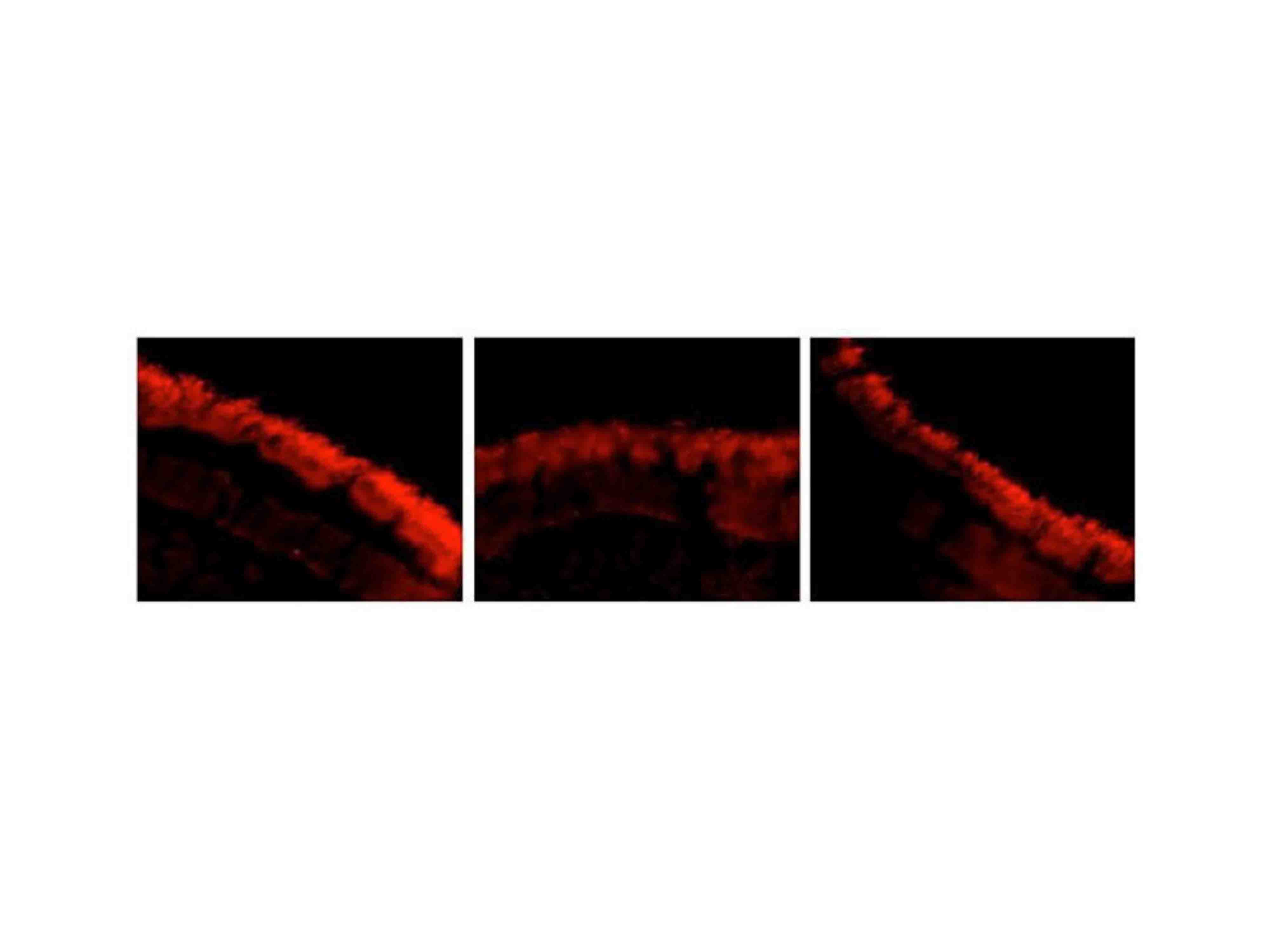
2003–2005 - Cellular damage and mechanisms of programmed cell death
Animal model: rabbits
Cross-sectional and longitudinal study lasting two years.
Chronic light exposure in light/dark cycles (12h/12h) to white and blue light.
Implantation of intraocular lenses with and without filter in each eye.
Key finding:
Unprotected retinas activate cell death mechanisms (pro-apoptotic genes), while photoprotected retinas activate cell survival mechanisms (anti-apoptotic genes).
02
03
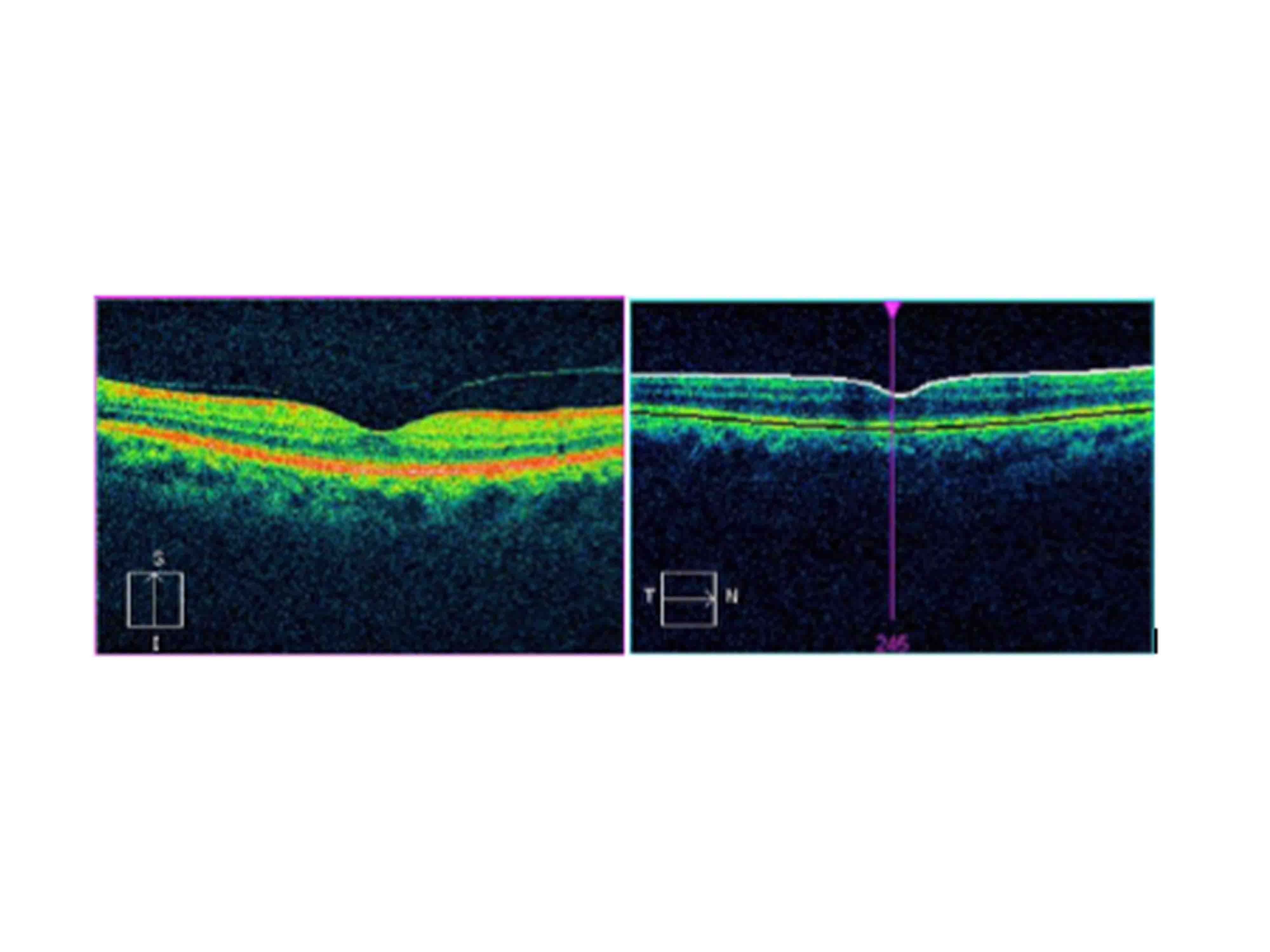
2006–2015 - Longitudinal clinical studies in humans
Cross-sectional and longitudinal study lasting seven years.
Daily exposure to ambient and artificial light from screens.
Implantation of intraocular lenses with and without protective filter.
Key finding:
A reduction in macular thickness and a higher prevalence of ocular alterations are observed in eyes without filters, while protected eyes maintain stable retinal structure.
In vitro studies - Direct cellular damage from LEDs
Experimental model: human retinal cells from donors
Cross-sectional and longitudinal study lasting one year.
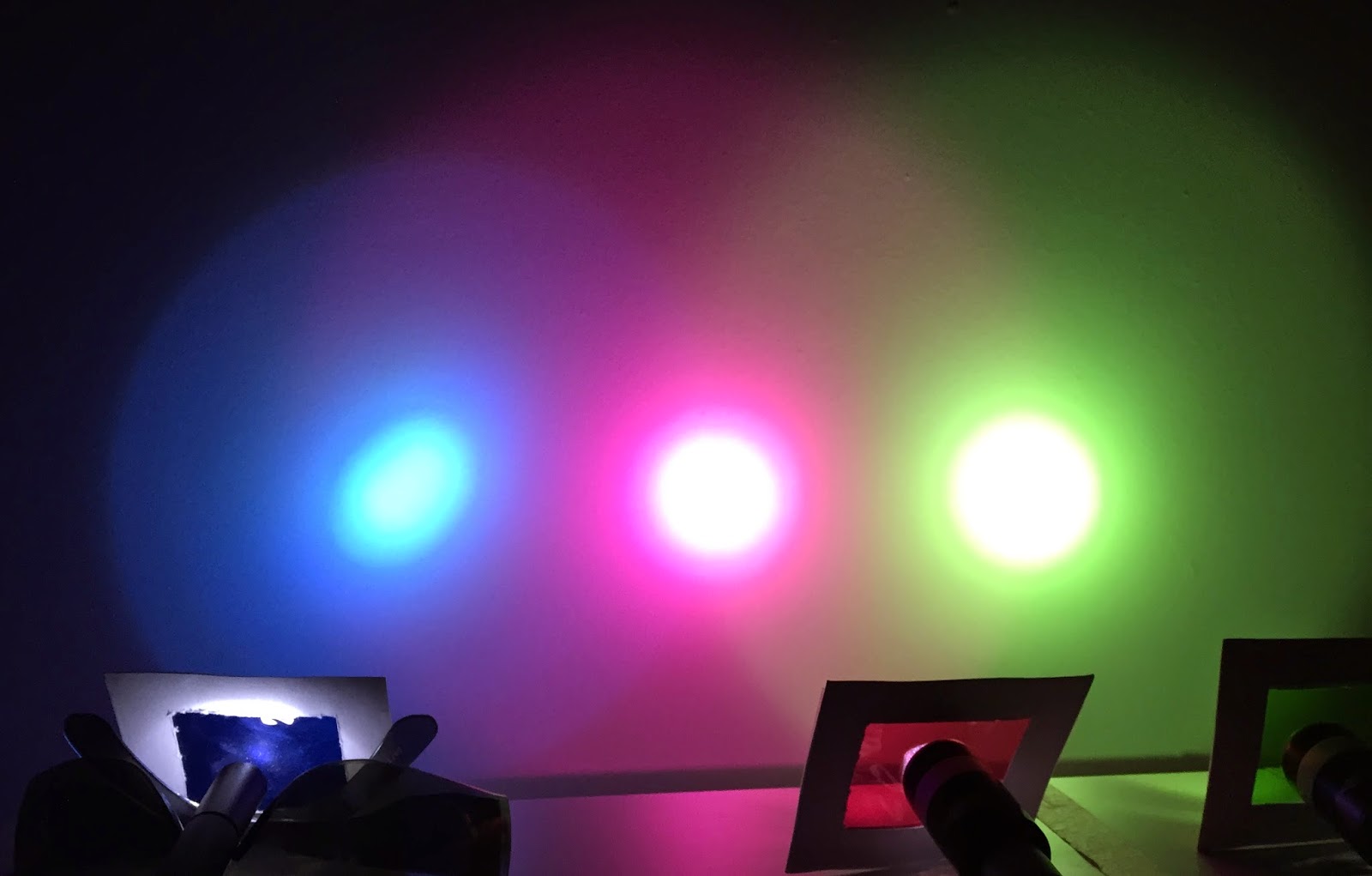
Controlled exposure to blue LEDs (short wavelength), green (medium), red (long), and white (cool and warm), in light/dark cycles of 12h/12h. Comparing conditions with and without photoprotection.
Key finding:
Cell survival increased from less than 10% to more than 80% when selective photoprotection was applied.
04
05
2015–2016 - Final validation under actual usage conditions
Animal model: rats
One-year longitudinal study.
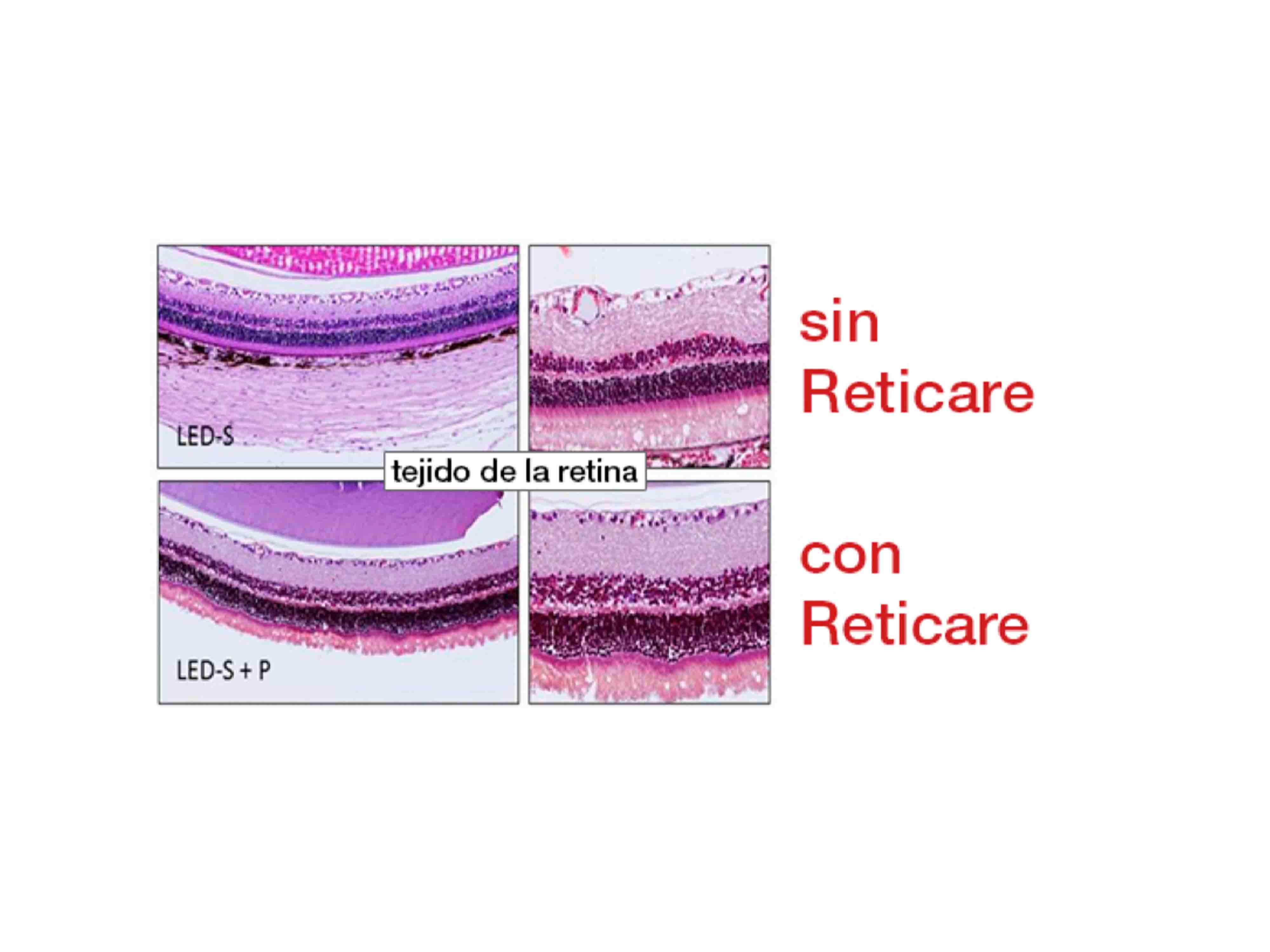
Prolonged exposure to commercial tablet screens, with and without Reticare protection.
Key finding:
Rats exposed without protection show approximately a 23% rate of irreversible retinal cell death.
In the rats protected with Reticare technology, retinal damage is practically nonexistent.


Research led from the university
Dr. Celia Sánchez-Ramos, a researcher at the Complutense University of Madrid, has been leading research on the impact of light radiation on the human retina for over two decades.
Reticare is born when this scientific knowledge is transformed into technological solutions applicable to daily life.
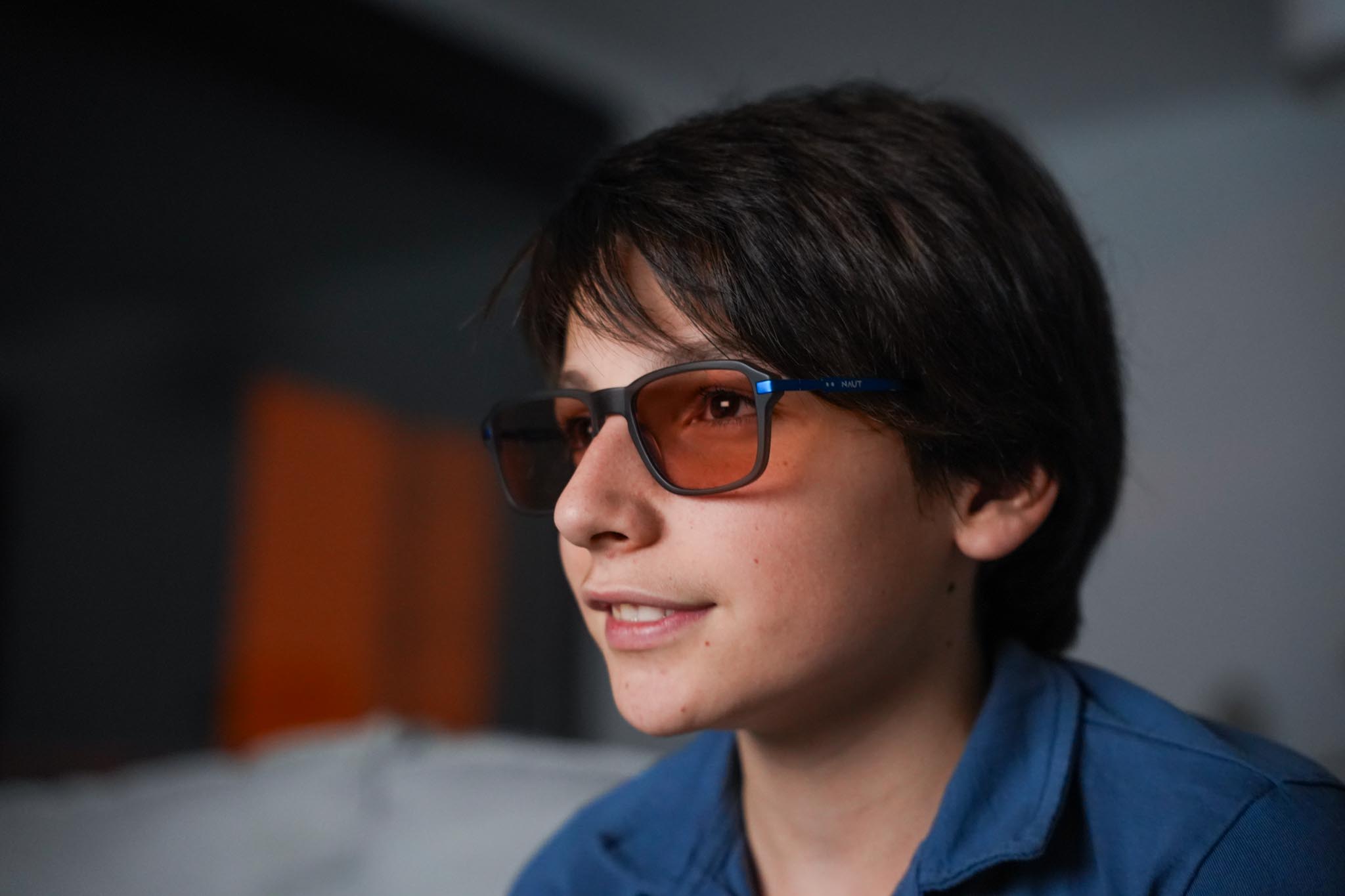
Reticare was born to transform decades of scientific evidence into real eye protection solutions.
The same findings that demonstrated cellular damage induced by blue and green light have guided the development of selective optical filters, screen protectors, and glasses designed under biomedical, not aesthetic, criteria.
It is not about changing the color of the screen.
It is about protecting living tissue.